
Urban Freight Rail Development Tool
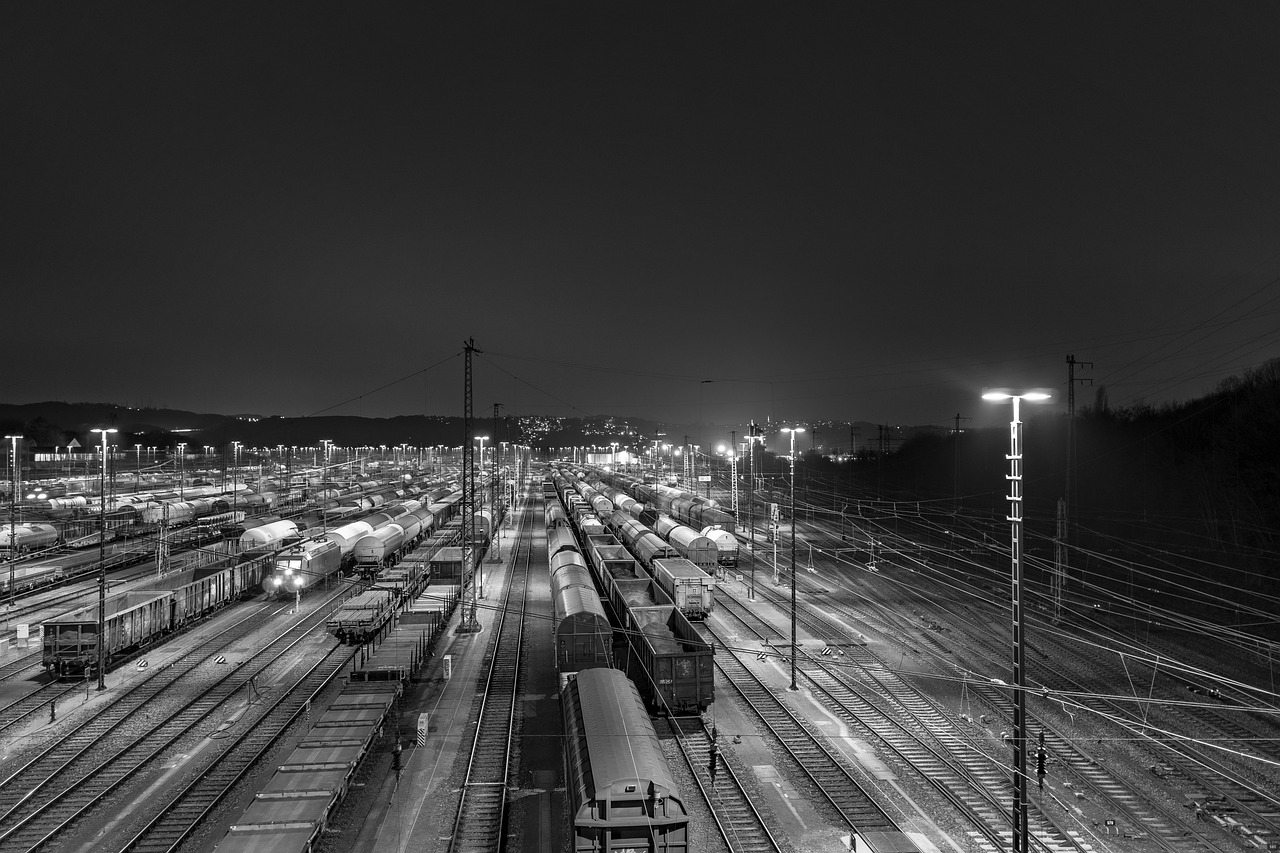
The Urban Freight Rail Development Tool supports cities in systematically examining and preparing the reactivation of urban freight rail yards. Within the project, framework conditions in partner cities will be recorded, a development procedure developed and tested, and then translated into English and German versions of the tool.
Project description
What this project is about
The Interreg project UrbFRail is a collaborative project between the Senate Department for Mobility, Transport, Climate Protection and the Environment, acting as the project lead partner, and partners from Poland and Sweden concerning the reactivation of inner-city freight railway stations. The Interreg Small Scale Project has a total duration of 18 months. Together with SGKV, I am supporting the SenMVKU in the creation of the BSR Urban Freight Rail Development Tool.
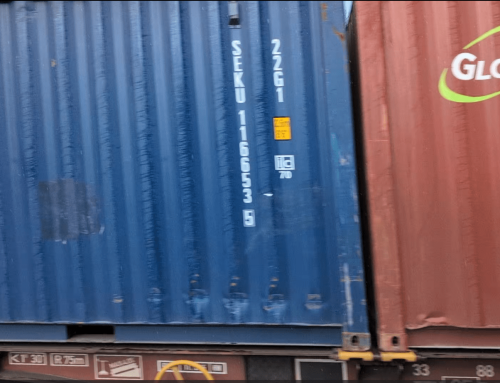
The planned tool to support urban freight transport development is intended to help urban and transport planners design a systematic process for reactivating a freight railway station, in order to utilise rail, a more environmentally friendly mode of transport, more than is currently the case. The focus here is on orientation towards use for combined transport, which already accounts for approximately.
40 % accounts for a share of the total rail freight transport volume (see, for example, SGKV: „Facts and Figures 2022“, p. 4) and is expected to continue growing in the future. The first step will be to assess the existing conditions and circumstances for the development of freight transport hubs in all partner cities. A development plan will be drawn up, supplemented by the information from this assessment.
This procedure divides the development process into different steps and work tasks, and provides initial recommendations for the further course of the process. This initial procedure will then be tested in the partner cities. After the developed instruments have been tested locally, the results will be evaluated in peer-review workshops on site.
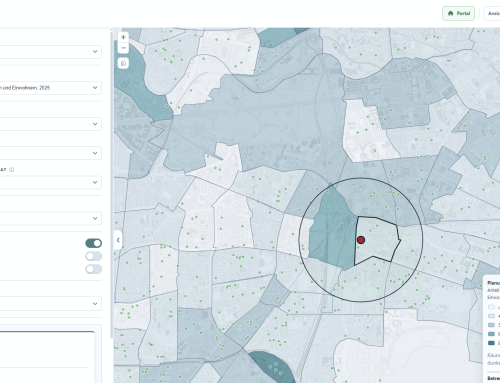
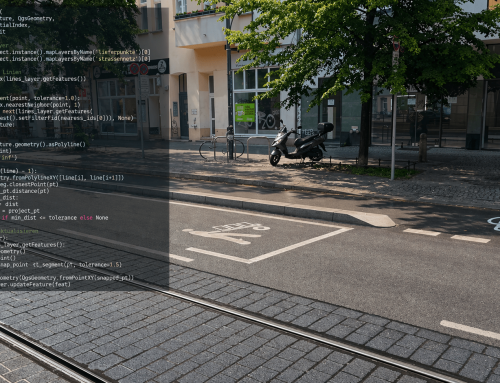
The result is a tool that will be available to interested parties on the project website in English. I will also create a German version of the tool, which will be provided to the client for further use. In addition, I will carry out various geodata analyses dealing with associated economic traffic. Note: The project description was developed jointly with the client and project partner and has been slightly modified by me for this contribution.
At a glance
Further information