
Hotspot investigation 2024
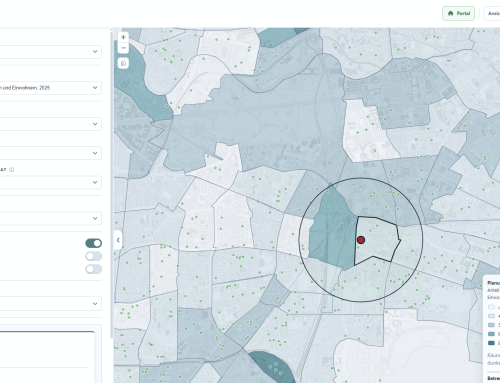
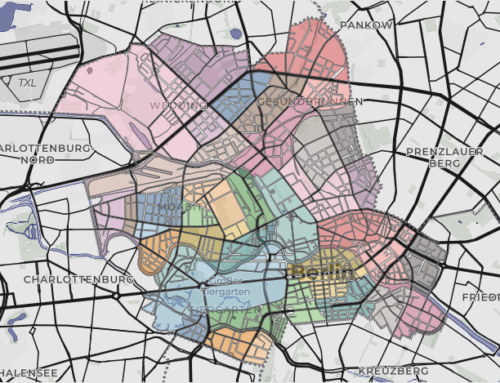
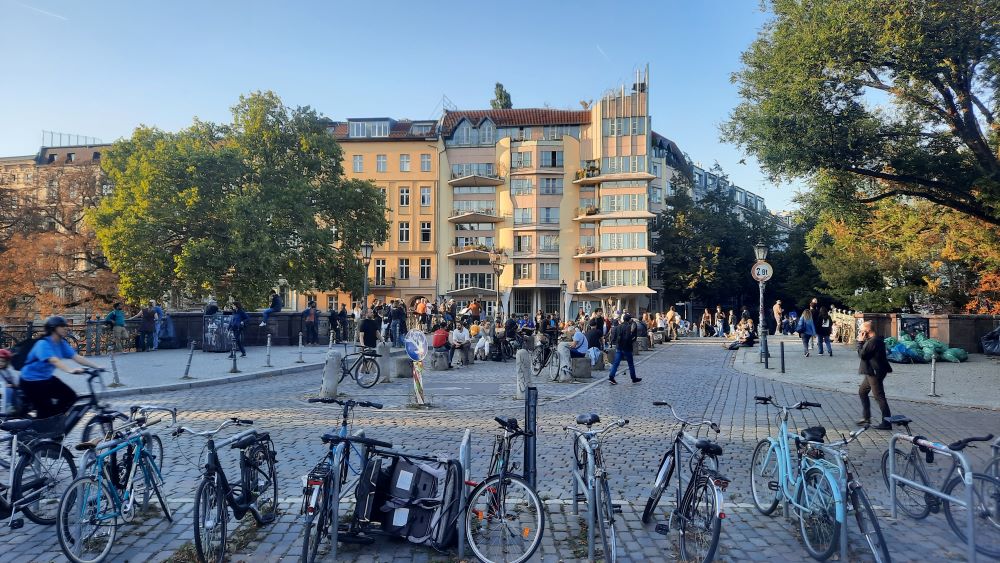
The hotspot study updates the small-scale data foundation for the use of selected Berlin locations after the Corona pandemic. Through collection, GIS-supported area selection, analysis, and visualisation, political and professional discussions on highly frequented public spaces are substantiated with current data.
Project description
What this project is about
Tourism is a significant economic factor for Berlin and the Berlin-Brandenburg metropolitan region, a driver for culture, and part of the capital's identity. After steady growth in visitor and overnight stays from the mid-2000s to 2019, the influx of tourists came to a halt. The COVID-19 pandemic of 2020/2021 caused profound societal changes that also massively affected the restaurant, hotel, and cultural sectors.
With the pandemic receding, tourism in Berlin is growing again, but has not yet reached pre-pandemic levels. The 2019 Tourist Hotspot Study, initiated by visitBerlin, showed that over 70 percent of respondents at the hotspots were Berlin locals. All three aspects combined – tourism recovery, population growth, and the importance of locals for hotspot use – illustrate that after the coronavirus pandemic and for the coming years, continued intensive use of public spaces by those seeking recreation and entertainment can be expected.
However, current, very small-scale data on the composition of visitors at individual points of interest (POI) is not available. For this reason, Wissensbasierte Planung, together with Urban Catalyst GmbH, is conducting a survey of users and their composition at several hotspots on behalf of visitBerlin in order to provide additional data to underpin and objectify the political and media discussion at city, district and neighbourhood level.
As part of the project, I will be responsible for conceptualisation (defining the research question, GIS-supported identification of survey areas, question development, etc.), organisation and supervision of the field phase, including app-supported data collection, analysis and visualisation of the acquired data, and project management (Note: The project descriptions, which have been modified and presented here by me, were jointly developed by the respective project participants).
At a glance